Stories from Ireland.
Written for the World.
Wilde O’Conor — History, culture, and the road less travelled. From Guinness to a slumboys survival.
for Readers Who Want the Real Story
From a small town in Northern Ireland to the world — and back to the pint in your hand.

As a slumboy with few chances for trades or jobs, I hunted, fished, and left for London at Age eighteen.
I trained in supermarket management, then travelled as far and as cheaply as I could: overland through Europe to Türkiye, Iran, Pakistan, Afghanistan, India, Burma, and beyond — with stints on the Darwin River Dam in Australia and in an Auckland hospital. I came back to London, joined an Asian newspaper, and trained in journalism. Wherever I went, people asked about Ireland and Guinness. I decided to find out.
My Guinness story is part fact, part creative history, and part fiction. Enjoy!
Early Life in Northern Ireland
As a slumboy living in a small town, in Northern Ireland, there were few opportunities to acquire skills, trades, or jobs. The options to survive included: stealing and go to borstal – if caught, or to hunt, and fish, and nearly starve.
Moving to London & Supermarket Management
I moved to London at the age of 18 years and trained in supermarket management. Supermarkets in the 1960s, were a modern and new shopping experience, which took the British society into different social levels and crimes. After two years of store management training, I qualified as a store manager and managed central London supermarkets for three years.
In the mid-1960s, modern supermarkets in England, replaced the old-style shop assistant-services: where customers were served their groceries over the shop counters, by the shop staff. The new supermarkets provided hands-on access to rows of shelves packed with groceries.
Shoplifting & Social Change
This shopping development increased the temptation for many poorer customers to sample the grocery products on display and even to steal (to shoplift) all types of groceries – it was so easy to steal any product. Shoplifting gangs were on the increase, and the supermarket companies were not equipped or experienced to handle this social phenomenon. Shoplifting was becoming a national problem, which spread across all types of stores and products and social classes. Professional shoplifters stole expensive products to order.
As an ambitious young store manager, I was always assigned ‘tough’ supermarkets, those that had serious shoplifting problems. However, shoplifting involved too much of my time being spent in the local magistrate’s courts, where the shoplifters were being prosecuted. My time spent in court provided the shoplifting gangs the freedom to steal even more products from my supermarket. The shoplifting gangs knew when I would be at court, and they took absolute advantage, to steal even more products, when I was out of my store.
Leaving London & World Travel
When I had had enough city living, I took time out of working in London and decided to travel overseas to wherever I could go, while I was young and healthy. My plan was to travel as far and as cheaply as possible, and avoid using hotels and restaurants, except, when necessary. I would sleep on hotel roofs; it was cheap and safer than sleeping on the streets.
I used cheap buses, and trains, and hitch-hiked overland across Europe, to reach Türkiye, Iran, Pakistan, Afghanistan, India, Burma (now Myanmar), Penang, Thailand, Malaysia, and Java (Indonesia). I knew little about these countries and was often refused entry visas and had to take long road detours, to reach entry points into a few countries. British passport holders were not welcome in every country. I did have to take two air flights to Australia, and New Zealand.
Work Abroad & Publishing
During my backpacker trips, I worked on the Darwin River Dam project, in the Northern Territory of Australia and at an Accident & Emergency Department in Auckland Hospital in New Zealand. Later I worked as a freelancer in the UK, producing and publishing travel magazines for the Caribbean, Africa, India, and Sri Lanka.
I returned to London, penniless, and I joined an Asian newspaper and trained in journalism, and the Internet.
Writing, Ireland & Guinness
Wherever I travelled, I was regularly being questioned about Ireland and Guinness, the black stuff, by interested people. I decided to investigate Arthur Guinness and Ireland and research this little book. The advice given to me by a successful author was to write about a subject that I wanted to know about, it was interesting advice.
My Guinness story is part fact, part creative history, and part fiction. Enjoy!
Wilde O’Conor



“Finally, someone who writes about Ireland and Guinness without the blarney — and who actually walked the road.”
— Reader, Dublin
What I Write
Arthur Guinness: The Irishman Who Invented Guinness
A young boy’s quest from Celbridge to understand why his parents’ homebrews tasted different — and how that curiosity helped create the first international brand: Guinness Stout (6% ABV, six-month lifespan). Part fact, part creative history, part fiction.
Slumboy’s Survival: The End of an Irish Era 1943–1955
Life in the forgotten Irish slums during and after World War Two — survival, poverty, and a new priest who turns out to be a vanished boxing champion. The Church, the press, and the Vatican must ask: Is boxing immoral?
A Fluke Safari into Africa
An ideal 12-week safari tangles in the Sudanese civil war: prisoner, escort through 500 miles of landmines, then pyramids, wildlife, Nairobi and Mombasa. Twelve months of unplanned good, bad, and awful surprises — and the year AIDS emerged.
Unique to Ulster
After 65 years away, a deeper look at Ulster — a small place with a big reputation. World-class inventions, surprising firsts, and a lesson in looking again: libraries, museums, and the stories unique to Ulster.
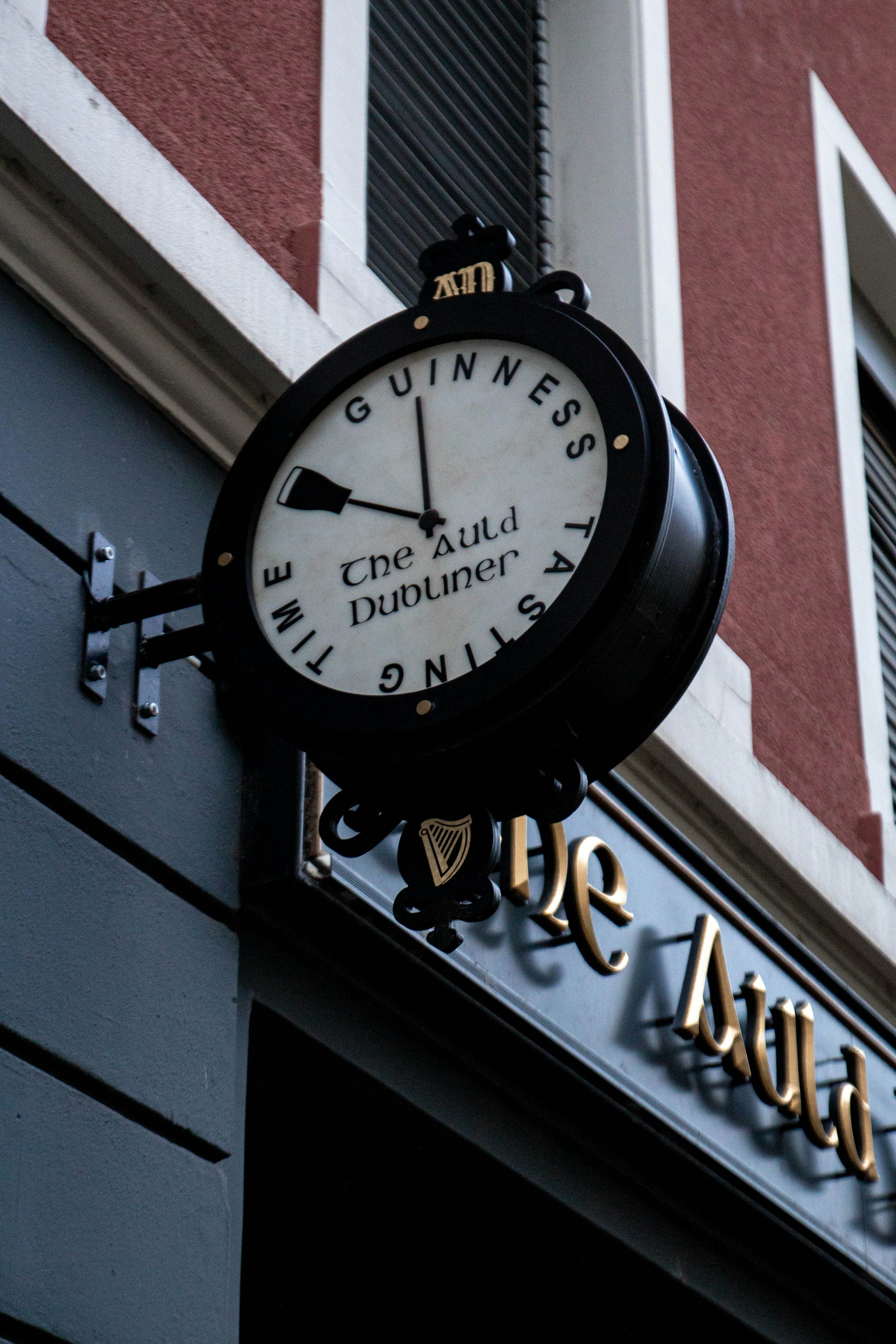
More Than Stories — Lived History
Every book is built on real journeys: supermarkets and courts in London, overland travel through Asia, journalism and publishing, and years of asking why — about homebrew, about Ireland, about survival. I write about what I wanted to know. I hope you find it interesting too.
Blog
The Latest
-
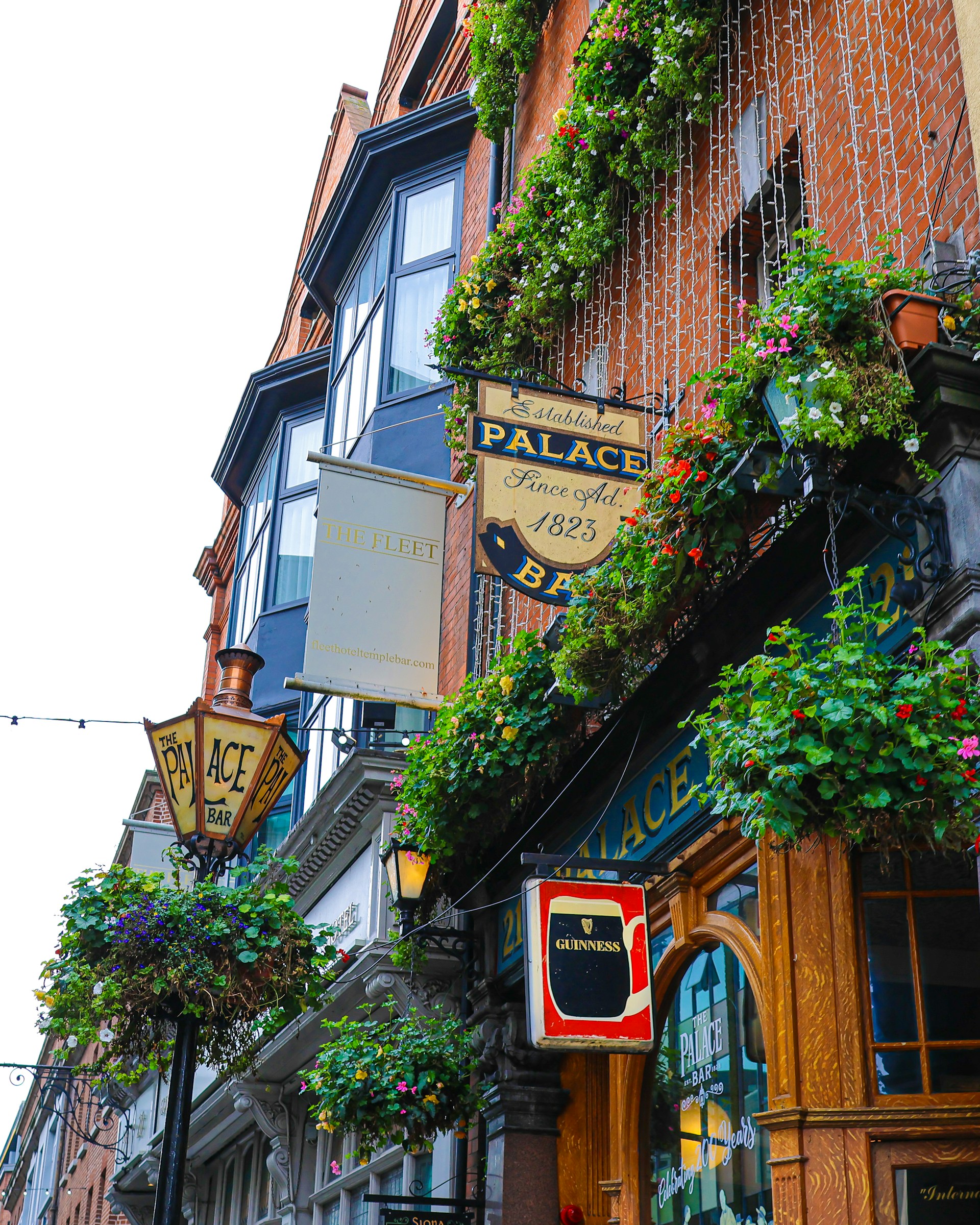
Signs of Time
Pub signs are visual storytellers. Long before standardized branding, signs identified establishments through images and symbols rather than words. This tradition allowed travelers of different…
-
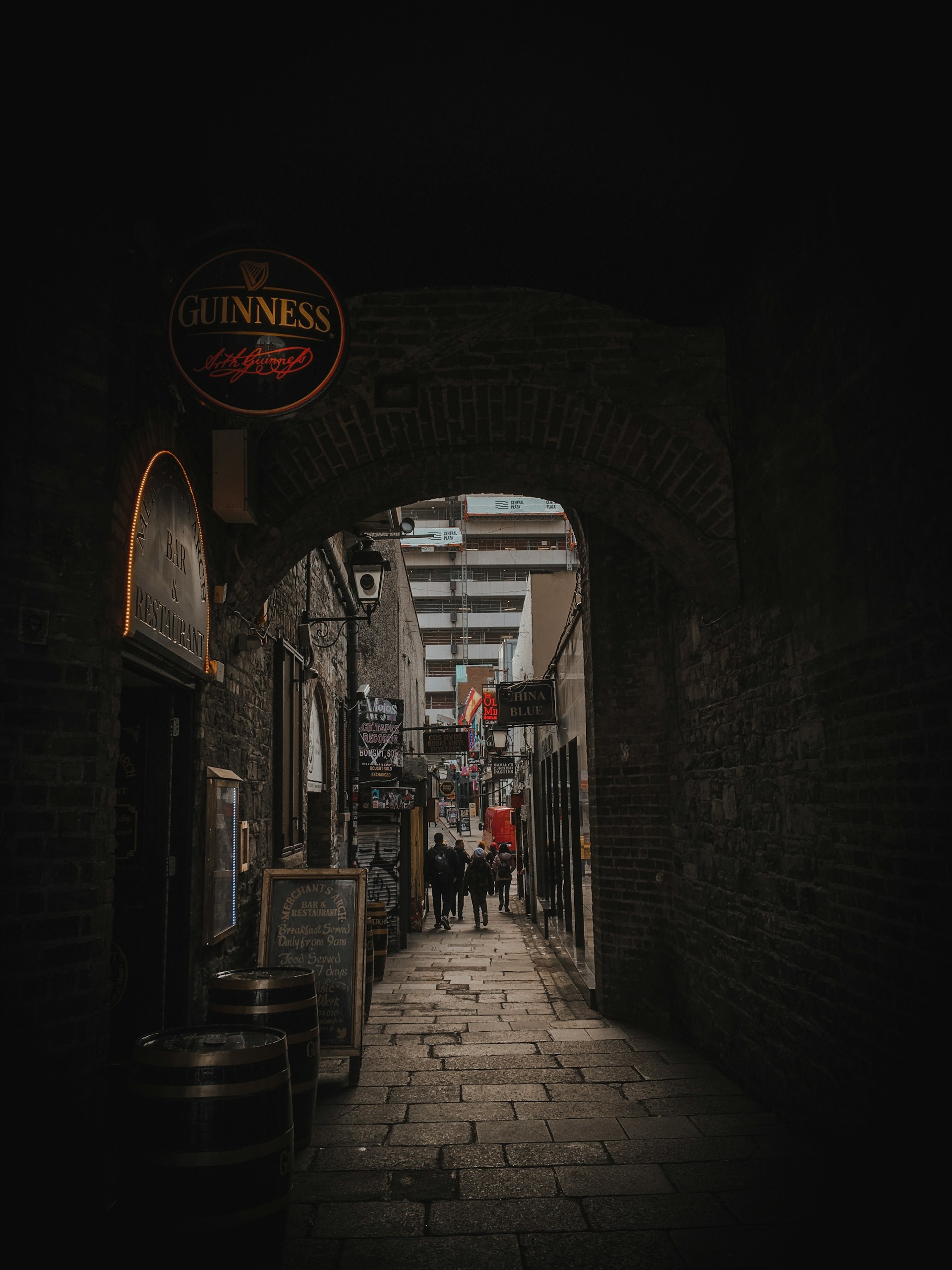
Through the Arch
Stone arches and narrow passageways are common features in older European cities, especially in areas shaped by trade and travel. These arches once marked boundaries…
-
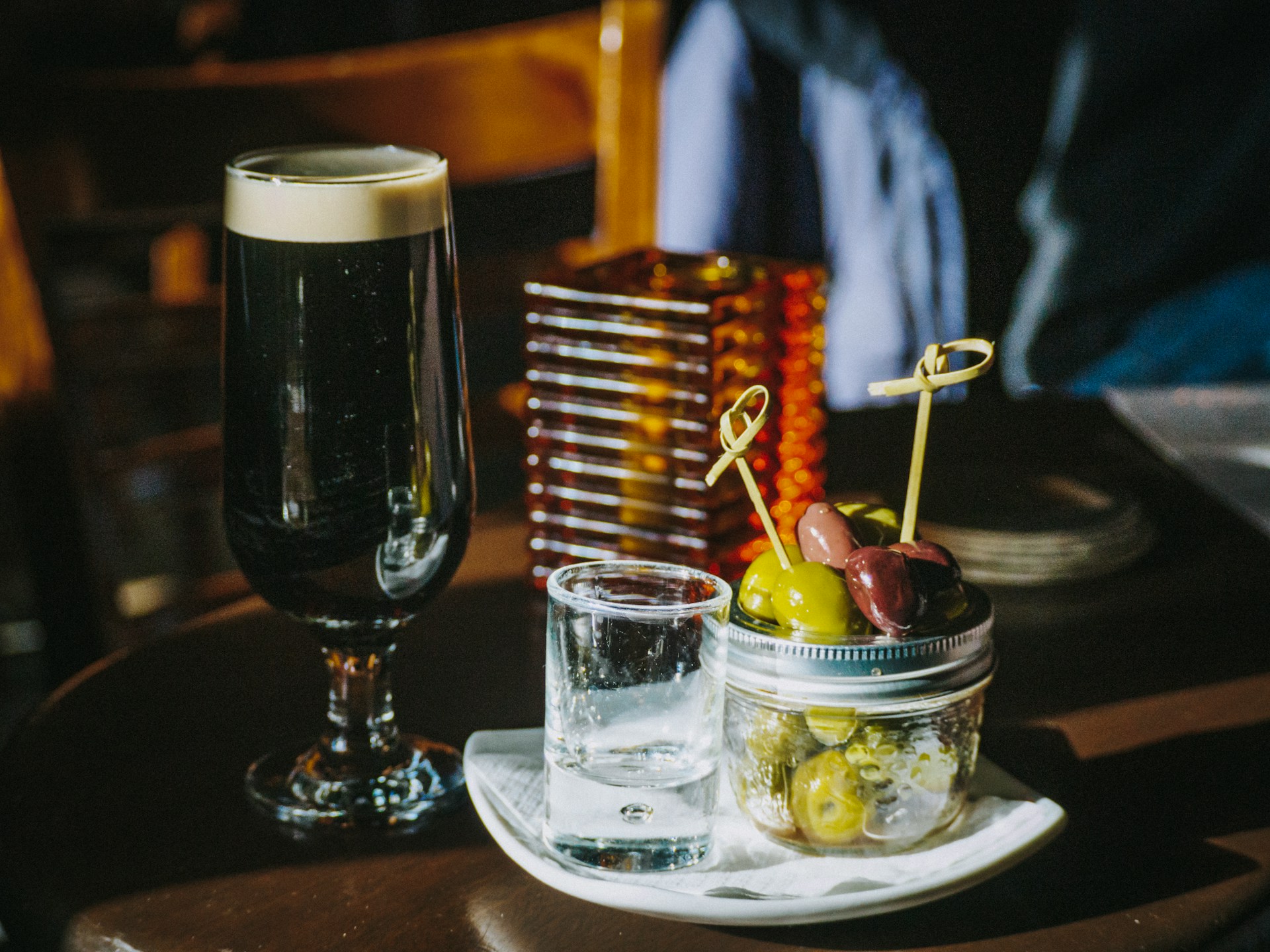
The Perfect Pour
A pint of stout is more than a beverage—it is the result of careful technique and tradition. The visual contrast between dark liquid and pale…
-
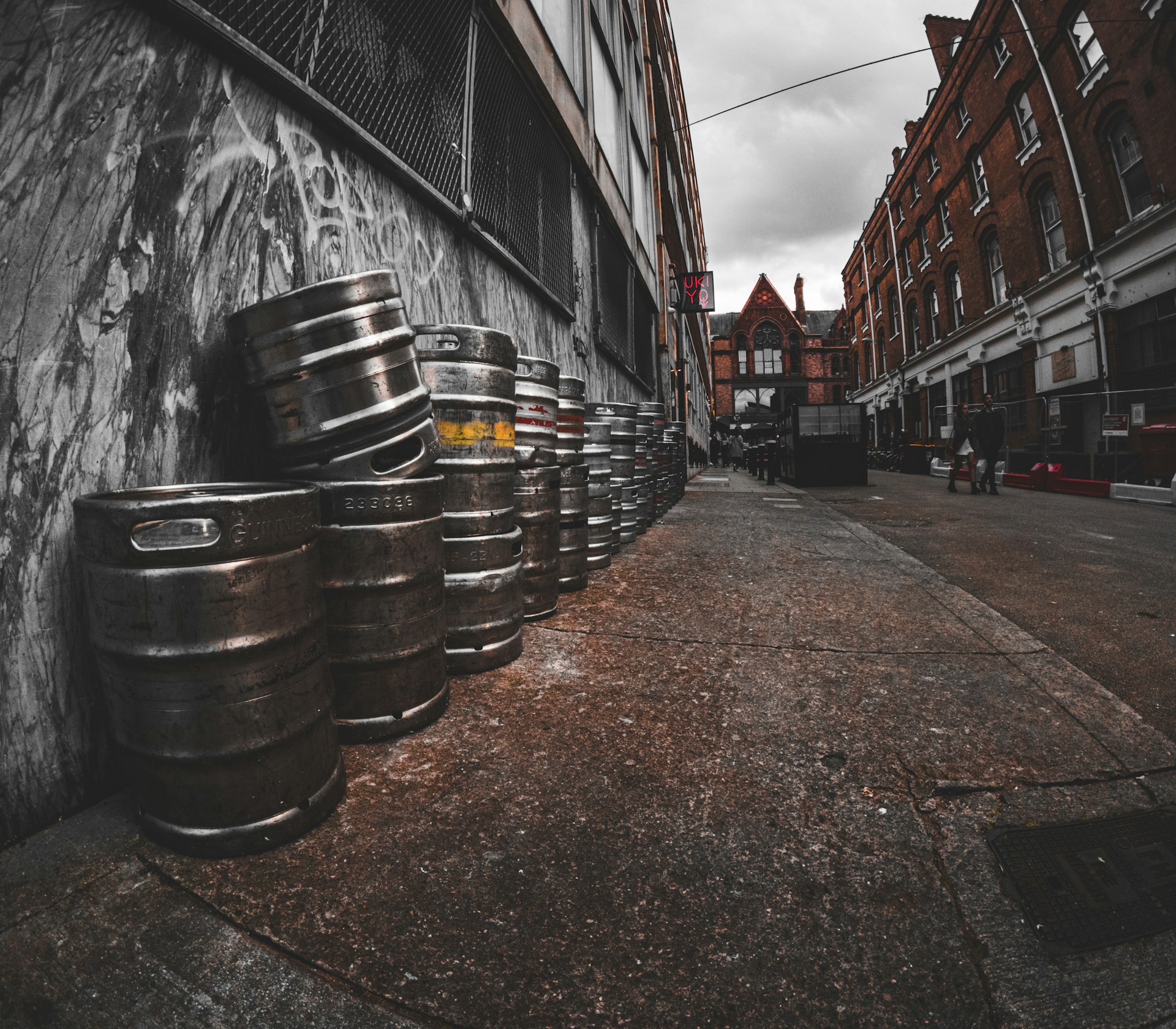
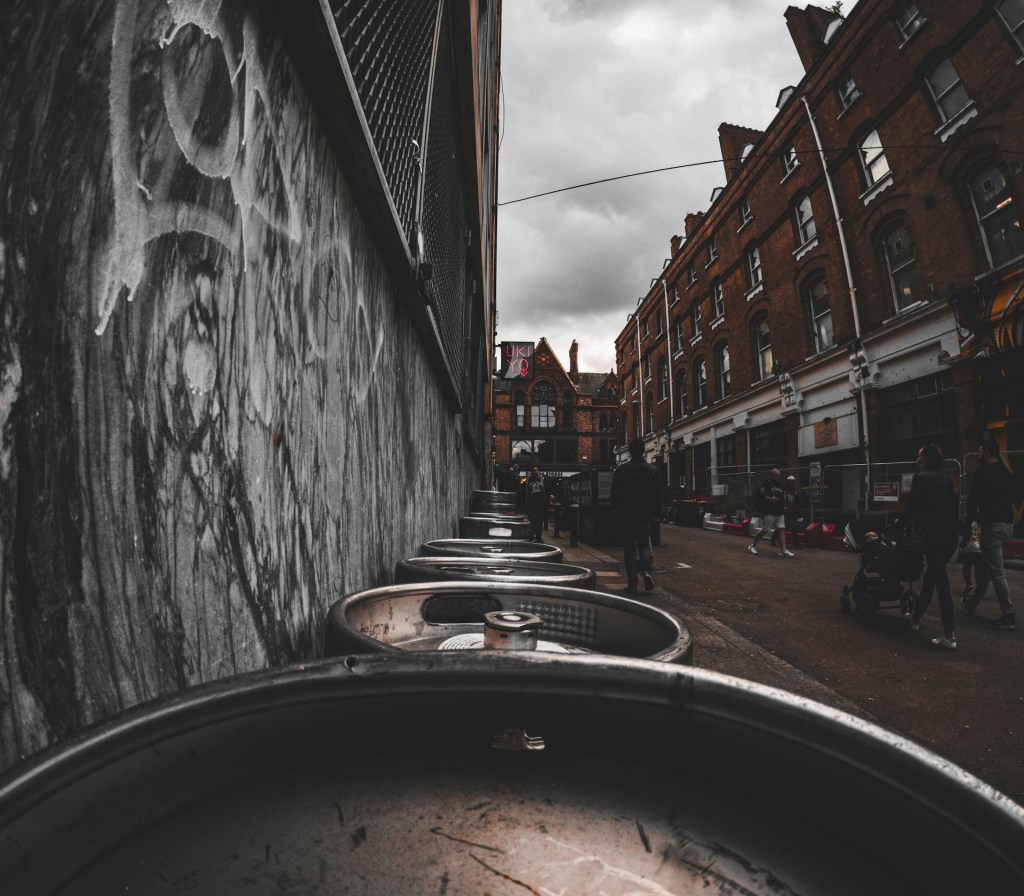
Barrels and Backstreets
Stacked beer barrels lining narrow streets are more than a practical sight—they are symbols of how brewing shaped urban life. In cities like Dublin and…