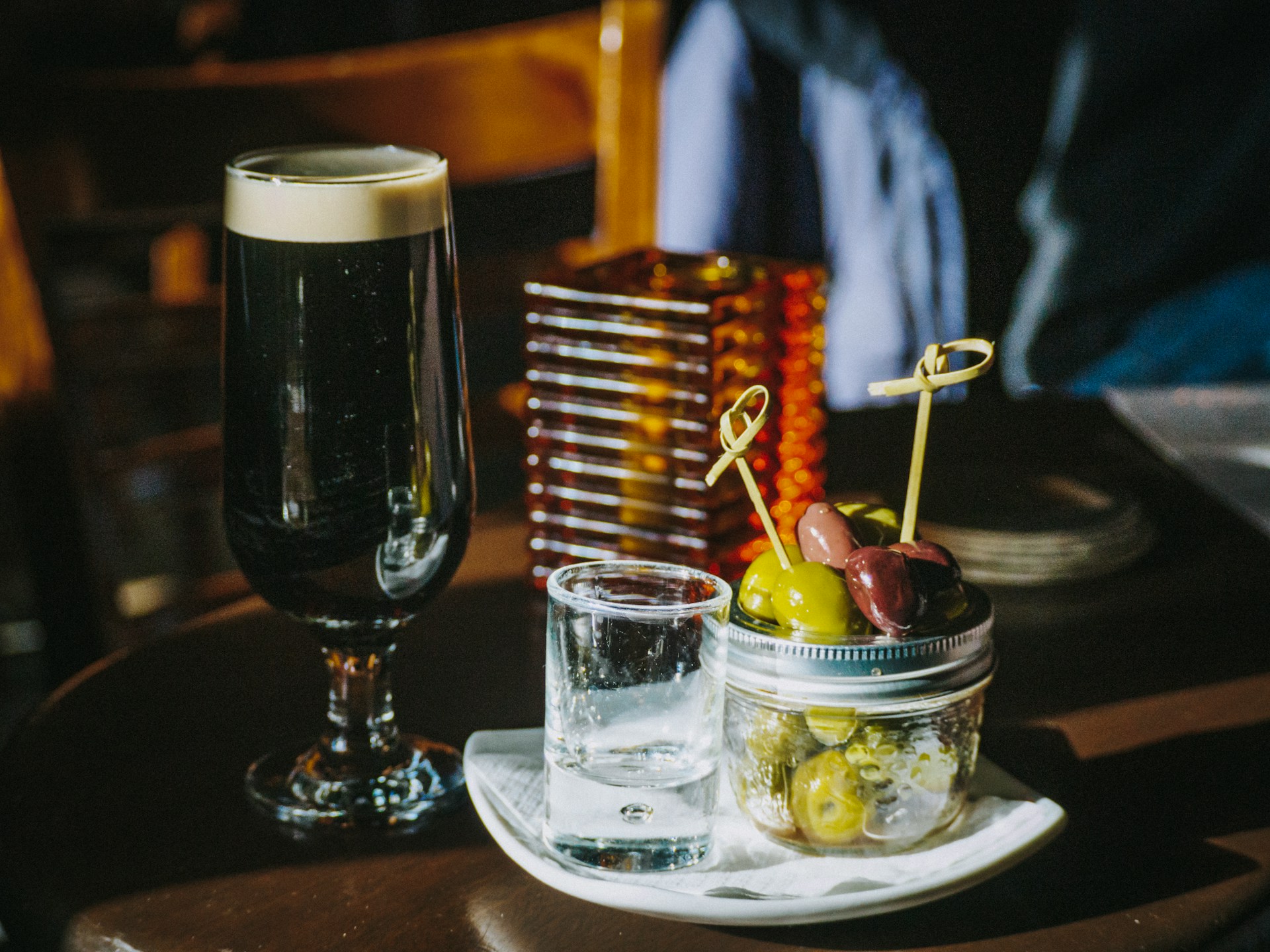
A pint of stout is more than a beverage—it is the result of careful technique and tradition. The visual contrast between dark liquid and pale foam is not accidental. It reflects centuries of experimentation with ingredients, temperature, and timing. The way a stout is poured affects both taste and texture, influencing aroma, mouthfeel, and appearance.
The foam, often called the “head,” plays a vital role. It traps aromas, protects the beer from oxidation, and provides a smooth first impression. Achieving the right balance requires patience. Many stout traditions emphasize a two-stage pour, allowing the beer to settle before topping it off. This pause is not ceremony for its own sake—it improves consistency and quality.
Glassware also matters. Tall, narrow glasses help showcase color and foam while guiding aromas upward. Historically, glass design evolved alongside brewing practices, adapting to new styles and expectations. Even small details, such as the cleanliness of the glass, can dramatically affect the final experience.
Food pairings often accompany stout, highlighting its versatility. Savory snacks, pickled items, and simple breads balance bitterness and roasted notes. Together, beer and food create a social ritual rooted in hospitality.
Understanding the perfect pour encourages appreciation rather than haste. It invites drinkers to slow down and notice the craftsmanship behind something often taken for granted. In that pause between pour and sip, brewing history quietly reveals itself.
Leave a Reply