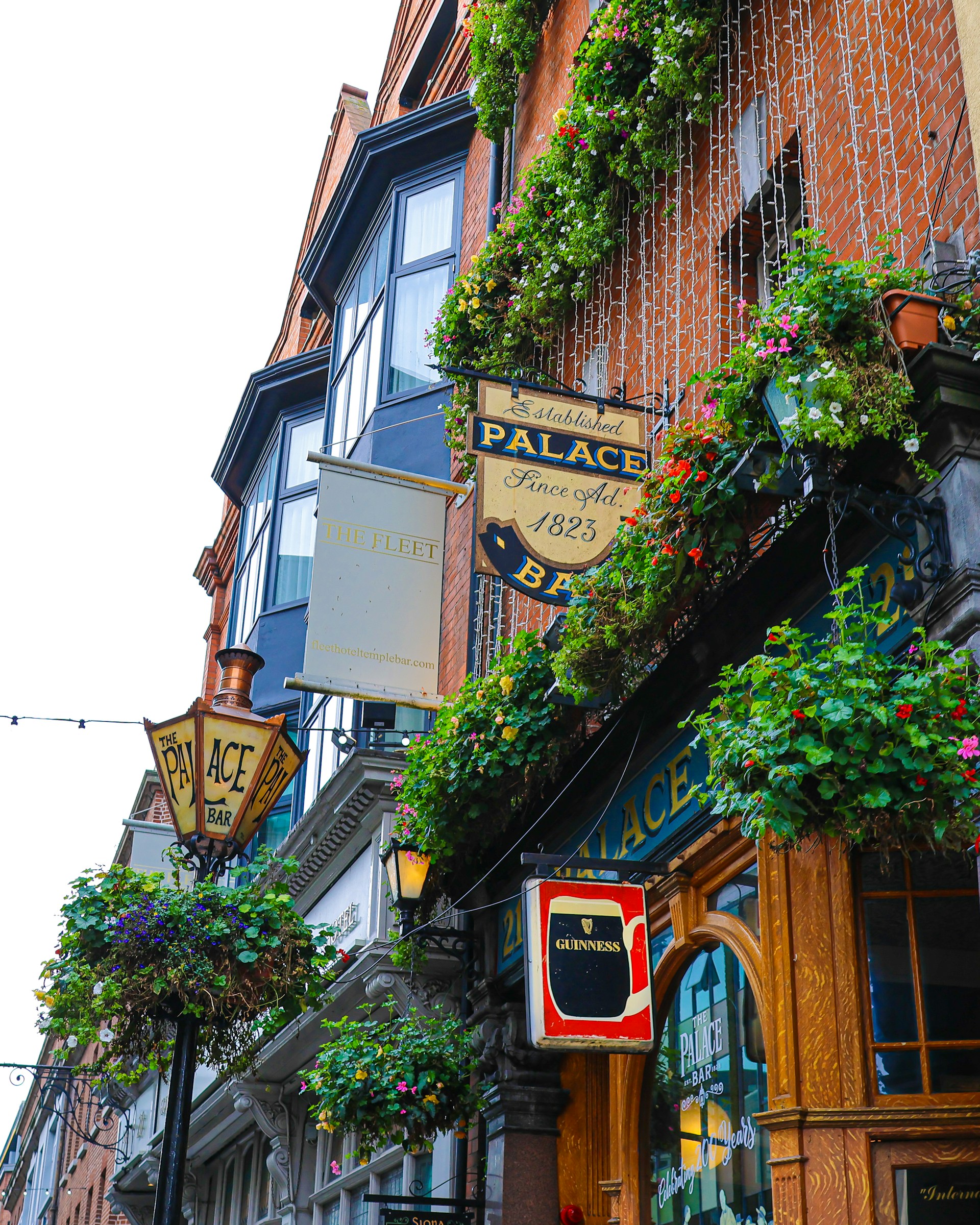
Pub signs are visual storytellers. Long before standardized branding, signs identified establishments through images and symbols rather than words. This tradition allowed travelers of different languages and literacy levels to find food, drink, and shelter. Over time, signs became expressions of local pride and identity.
Floral displays, painted panels, and hanging lanterns added warmth and personality to brick streets. Many signs referenced historical events, occupations, or local legends, embedding storytelling into everyday surroundings. A single sign could carry centuries of meaning, passed down through generations of owners and patrons.
The placement of signs mattered. Hanging outward toward the street ensured visibility, while colors and shapes distinguished one pub from another. Materials evolved from wood to metal and glass, reflecting technological change without abandoning tradition.
Today, preserved pub signs serve as cultural landmarks. They link modern streets to older rhythms of life, when the pub functioned as a meeting hall, news center, and refuge. Flowers spilling from windows soften urban edges, reinforcing the pub’s role as a welcoming space.
Observing these signs is an exercise in reading history without words. They remind us that culture is often carried quietly—through design choices, shared symbols, and the enduring human need for gathering places.
Leave a Reply